

The Rise of Trading Automation Crypto: Transforming the Financial Landscape
In the ever-evolving world of cryptocurrency, where volatility is the norm and opportunities can arise in the blink of an eye, the need for effective and efficient trading methods has become critical. This brings us to the exciting realm of Trading Automation Crypto https://www.newsvoir.com/index.php?page=4125. Automation in trading not only streamlines the process but also enhances the trader’s ability to react swiftly to market changes, thereby improving profitability and reducing risk.
What is Trading Automation?
Trading automation refers to the use of software and algorithms to execute trades without human intervention. Traders can set predefined criteria for buying and selling; the software then makes trades on their behalf. In the context of cryptocurrency, where markets are open 24/7, automation enables traders to capitalize on market moves that might otherwise be missed due to time constraints or human error.
Benefits of Trading Automation in Crypto
The integration of automated trading systems in the cryptocurrency sector offers several advantages:
- Speed: Automated systems can execute orders at lightning speed, ensuring that traders can take advantage of fleeting market opportunities.
- Emotionless Trading: Human emotions can cloud judgment, leading to poor trading decisions. Automated systems operate strictly based on algorithms, ensuring consistent and logical decision-making.
- Backtesting and Strategy Optimization: Traders can use historical data to test and refine strategies before deploying them in live markets, thus minimizing risk.
- Round-the-Clock Trading: Automation allows traders to participate in the market at any time, capturing opportunities that arise even while they sleep.
Types of Trading Automation Strategies
There are various approaches to trading automation, each with its unique characteristics:
1. Algorithmic Trading
This involves using advanced mathematical models to analyze market data and execute trades at optimal times. Algorithmic trading can analyze vast amounts of data much quicker than a human trader and can identify patterns that indicate profitable trades.
2. Trading Bots
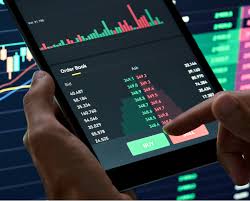
Trading bots are applications that automatically buy and sell on behalf of the trader. They can be programmed to stick to specific strategies and can operate continuously, making them invaluable for traders who cannot monitor the markets constantly.
3. Risk Management Automation
Effective trading automation also includes risk management tools that protect traders from significant losses. Automated stop-loss and take-profit orders can be established to secure profits while minimizing losses, ensuring a more disciplined trading approach.
Popular Tools for Trading Automation in Crypto
The market offers a wide range of tools designed for automating trading in cryptocurrencies. Here are a few popular options:
- MetaTrader: While originally designed for forex trading, MetaTrader has been adapted for cryptocurrency trading, allowing users to leverage expert advisors (EAs) for automated trading.
- TradingView: Known for its versatile charting capabilities, TradingView also supports automated trading strategies via its Pine Script language.
- Cryptohopper: A cloud-based trading bot that allows users to automate trades across multiple exchanges, employing strategies based on technical analysis.
- 3Commas: This platform facilitates automated trading through bots that can adjust to market changes quickly, allowing users to implement various trading strategies seamlessly.
Challenges of Trading Automation
Despite its numerous advantages, trading automation does come with challenges:
- Technical Issues: Software bugs or server downtime can lead to missed opportunities or unexpected losses.
- Market Volatility: While automated strategies can respond quickly, unforeseen market events can still lead to significant losses if the strategy is not designed with these scenarios in mind.
- Over-Optimization: Traders may fall into the trap of creating overly complex models that perform well on historical data but fail in real-time trading.
Conclusion: The Future of Trading Automation in Crypto
As the cryptocurrency market continues to mature, the role of trading automation will undoubtedly expand. With advancements in AI and machine learning, future trading systems will become even more sophisticated, offering traders enhanced capabilities to analyze market trends and execute trades instantaneously. While automation enhances trading efficiency, it is crucial for traders to maintain a balance between automated systems and strategic oversight to navigate the complexities of the cryptocurrency market effectively.
In summary, trading automation is transforming how individuals approach cryptocurrency trading. With the right tools, strategies, and risk management practices, traders can optimize their performance and elevate their trading game in this thrilling digital landscape.
